The Silent Analysis
The unseen work of caregiving happens long before anyone notices there's a problem.

Frank’s gait is definitely worsening. I see the old-man shuffle appearing more often now, his hands reaching for walls or furniture to steady himself. What does this mean? Is it time to introduce a walker? Will he use it? Will he fight me?
This constant internal dialogue fuels and sustains me. I don’t let him into this world unless it will soothe him in some way. But every day — often multiple times a day — I run through a silent mental checklist I’ve learned by necessity.
As usual, I go through the litany of possible causes.
Dehydration.
The stroke.
Medication interactions.
Progression of the disease.
What’s causing the imbalance today?
Everything that happens to Frank triggers this internal inventory.
Is the dementia worsening?
Is this temporary?
Is this decline?
Is this medical?
The iterative process continues until I can settle on a plausible explanation — something that gives me even a moment of solace.
Then comes the research.
Forums, caregiver sites, Alzheimer’s organizations, medical journals, chat rooms, AI — anywhere I might find a morsel of insight. Sometimes an answer surfaces; other times it doesn’t. Still, I persist. Only when I come up completely empty do I reach out to the professionals. With multiple health conditions, medications, and interactions at play, nothing is ever straightforward.
Parallel to that is the daily mental ledger: prescriptions needing refills, appointments to make, days I’ll need to take off from work, test results to track down, calls to return. It’s mental gymnastics that my sixty-two-year-old brain can barely manage — but I do. I always do.
Caregiving is a constant keeping-track of things.
Did he mention dizziness?
Blurry vision?
Is his ophthalmology appointment really six months away?
That will have to be moved up.
And on it goes.
Then there are the checks I make when something feels off.
Did he just call his phone the microwave? Check.
Is he unable to follow the plot of this show? Check.
Is he sleeping more than usual? Check.
Did he eat today? Check. Check. Check.
This is the plight of a caregiver.
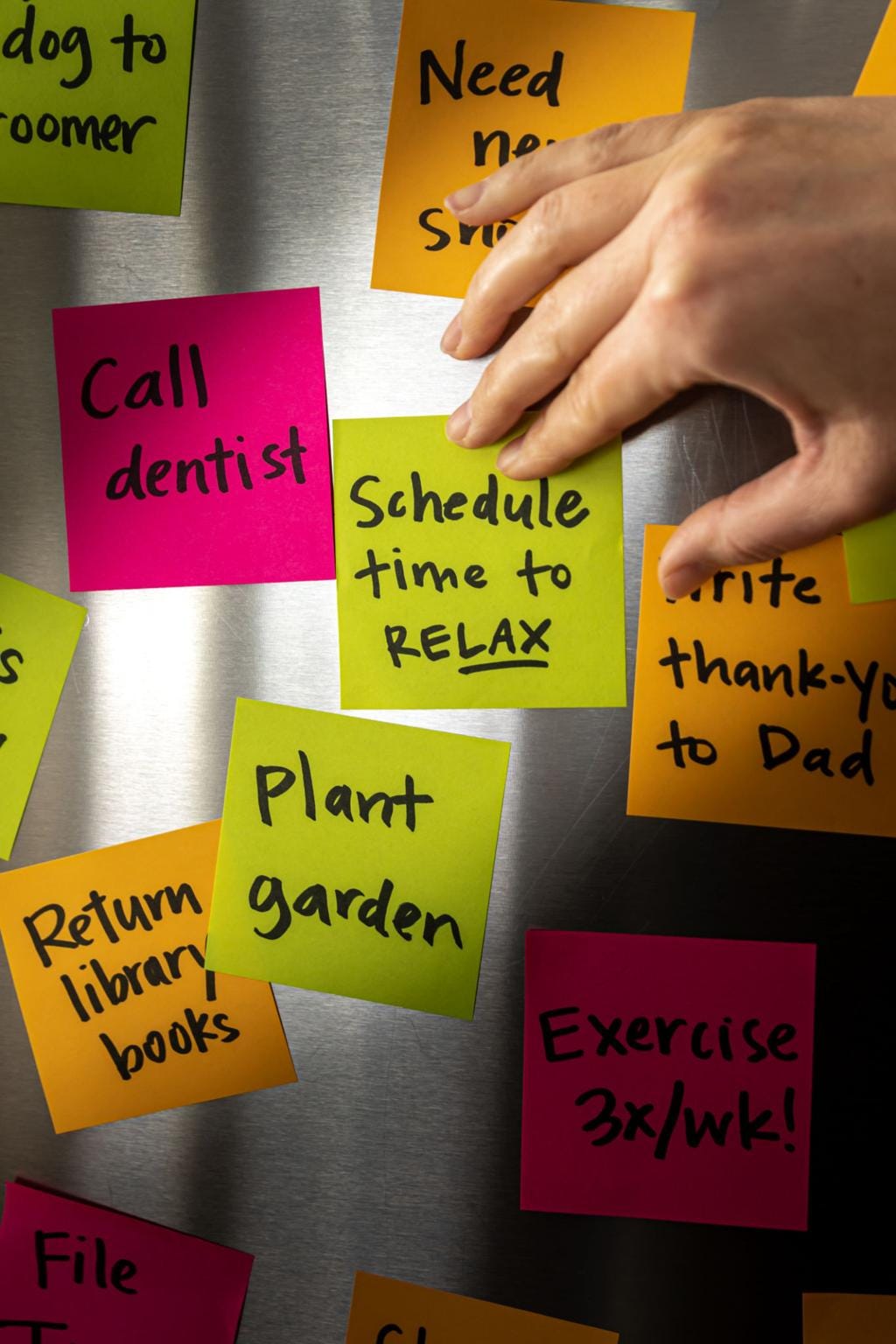
We make lists.
We check them.
We make new lists.
We remember, we call, we schedule, we reorder, we buy supplies.
Mostly, we ensure that our loved ones are whole, cared for, and safe.
And we do it all in silence.
No one asks if anything needs to be done. It’s simply assumed the responsibilities are handled — efficiently, invisibly. Isn’t that what caregivers do? Aren’t we superhuman and infallible?
Of course not.
But the illusion is convenient, so it stands.
Oops — coughing in the next room.
The congested cough he’s had for a month.
Silent analysis: conducted.
No solutions found.
Time for the doctor.
Check.
This is one of the most precise descriptions of caregiving we have ever read. And, what makes it so powerful is that it is not really about Alzheimer’s. It is about the parallel mind that every caregiver runs every day, on every loved one they are holding up. The silent inventory. The midnight research. The mental ledger of refills and appointments and small symptoms that may or may not mean anything. The constant question of is this the disease or is this the day?
The families we work with at the Appleberry Foundation run this same analysis, just with different variables. Is this behavior grief, or trauma, or just a tired seven-year-old? Is this visit still happening? Did the call get blocked or did he choose not to call? Is the lawyer returning calls? Did the school nurse notice the bruise from gym class or is she watching us? Different terrain, same cognitive load. Same silence.
And, you have named the part that hurts most — that the world does not ask if anything needs to be done, because the illusion is convenient, so it stands. That sentence is going to stay with us a long time. Thank you for writing what so many live inside and rarely have the language for.
This is how I live every minute of every day caring for my wife with Alzheimer's.